
The Link Between Paraquat and Parkinson’s Disease
A few weeks ago, I came across an article in The New York Times that traced a link between a common herbicide and Parkinson’s disease.
Although I should have been surprised, I wasn’t.
Stories like this are, unfortunately, all too common. A chemical company discovering that its product was toxic to the nervous system (and the nervous systems of our gut microbes!), hiding the evidence, and prioritizing profit over public health...
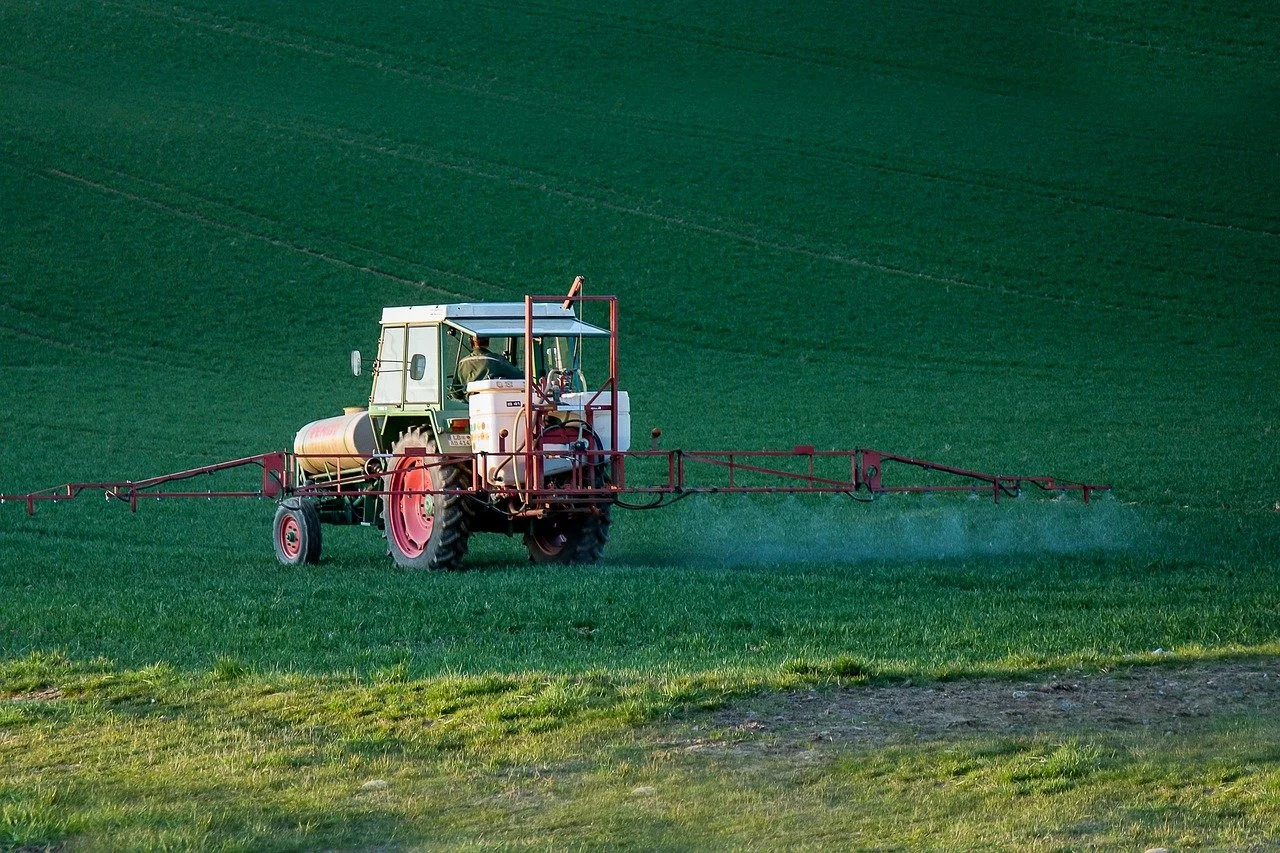
In this case, the chemical was paraquat, a weed killer introduced in 1958. The company’s own research showed tremors and brain damage in lab animals, but they didn’t share the findings.
By 2018, 17 million pounds of paraquat were sprayed across the U.S. each year. Today, scientists are finding strong links between paraquat exposure and Parkinson’s disease, which is one of the fastest-growing neurological disorders in the world.
Paraquat isn’t alone. Many of the most common pesticides and herbicides today affect mitochondrial function and dopamine-producing neurons, which are the same pathways involved in Parkinson’s and other neurodegenerative diseases.
Not only is this harmful for the individual, but this imbalance is systemic.
In Āyurveda, greed (lobha), a root toxin, and ignorance (avidyā), the root of all suffering, are what breed disease on a societal level.
We can all be a part of the “treatment plan” by choosing to do things like:
Support organic and regenerative agriculture
Choose toxin-free, seasonal foods whenever possible
Advocate for safer practices in your community
Strengthen your body’s natural detox pathways through nourishment (esp. cruciferous veggies!), breath, and rhythm
Together, we can not only support brain health and longevity, but we can also contribute to the healing of the cultural, ecological, and spiritual systems that sustain life itself.
Our nervous systems are not separate from the planet. When we protect the soil, air, and water, we preserve the same intelligence that regulates our neurons, memory, and capacity to heal.
This article is part of our guide:
How to Protect Your Brain From Cognitive Decline