
Count Fiber, Not Calories: Why Fiber May Be One of the Most Important Nutrients for Brain Health
For decades, nutrition conversations have centered on calories — how many to cut, how many to burn, and how to stay within a daily limit.
But emerging research suggests we may be asking the wrong question.
Instead of obsessing over calories, a growing body of evidence points toward a far more meaningful metric:
👉 How much fiber are you eating?
Fiber doesn’t just support digestion. It influences inflammation, metabolic health, immune signaling, and even the integrity of the brain.
In fact, dietary fiber is increasingly recognized as a powerful lever for protecting long-term cognitive function.
What Is Fiber — and Why Does It Matter?
Dietary fiber refers to carbohydrate polymers that the body cannot digest or absorb in the small intestine. Instead, fiber travels to the colon, where it becomes fuel for beneficial gut bacteria.
When these microbes ferment fiber, they produce short-chain fatty acids (SCFAs) — compounds that play a central role in human health.
These metabolites help regulate:
Neuroinflammation
Synaptic growth and survival
Immune activity
Intestinal barrier integrity
This is one of the clearest demonstrations of the gut–brain axis in action.
Fiber and the Brain: What the Research Shows
Scientists are now exploring how fiber intake may shape cognitive aging.
Higher fiber consumption has been significantly associated with better cognitive function in older adults.
Some studies suggest people who eat the most fiber have a lower risk of developing dementia, with one long-term study showing a 26% reduced risk among high-fiber consumers.
Fiber increases beneficial gut bacteria, which may reduce brain inflammation through the brain-gut connection.
Researchers believe several mechanisms are at play — including improved vascular health, reduced inflammation, and metabolic regulation — all factors strongly tied to cognitive decline risk.
Even more compelling:
Emerging evidence highlights fiber and its metabolites as important tools for preventing neurodegenerative diseases through gut-brain communication.
Fiber Supports the Biology of Brain Resilience
The protective effects of fiber extend beyond the microbiome.
Studies show fiber intake may influence:
Blood–brain barrier integrity
Immune tone
Oxidative balance
Neuroinflammatory signaling
In other words, fiber helps shape the internal environment your brain depends on.
And because diet is a modifiable risk factor, this represents a meaningful opportunity for prevention.
The Chronic Disease Connection
Fiber plays a role in reducing risk across many of the conditions that increase vulnerability to cognitive decline.
Increasing fiber intake has been linked to lower rates of:
Cardiovascular disease
Type 2 diabetes
Obesity
Chronic inflammation
These are not separate conversations from brain health. Rather, they are deeply interconnected.
Protect the metabolism, and you often protect the brain.
Why Counting Calories Misses the Bigger Picture
Calorie counting focuses on quantity.
Fiber focuses on physiology.
High-fiber foods naturally support satiety, blood sugar stability, and cholesterol balance, which helps regulate intake without rigid restriction.
Rather than micromanaging energy consumption, fiber helps the body self-regulate.

How Much Fiber Do You Actually Need?
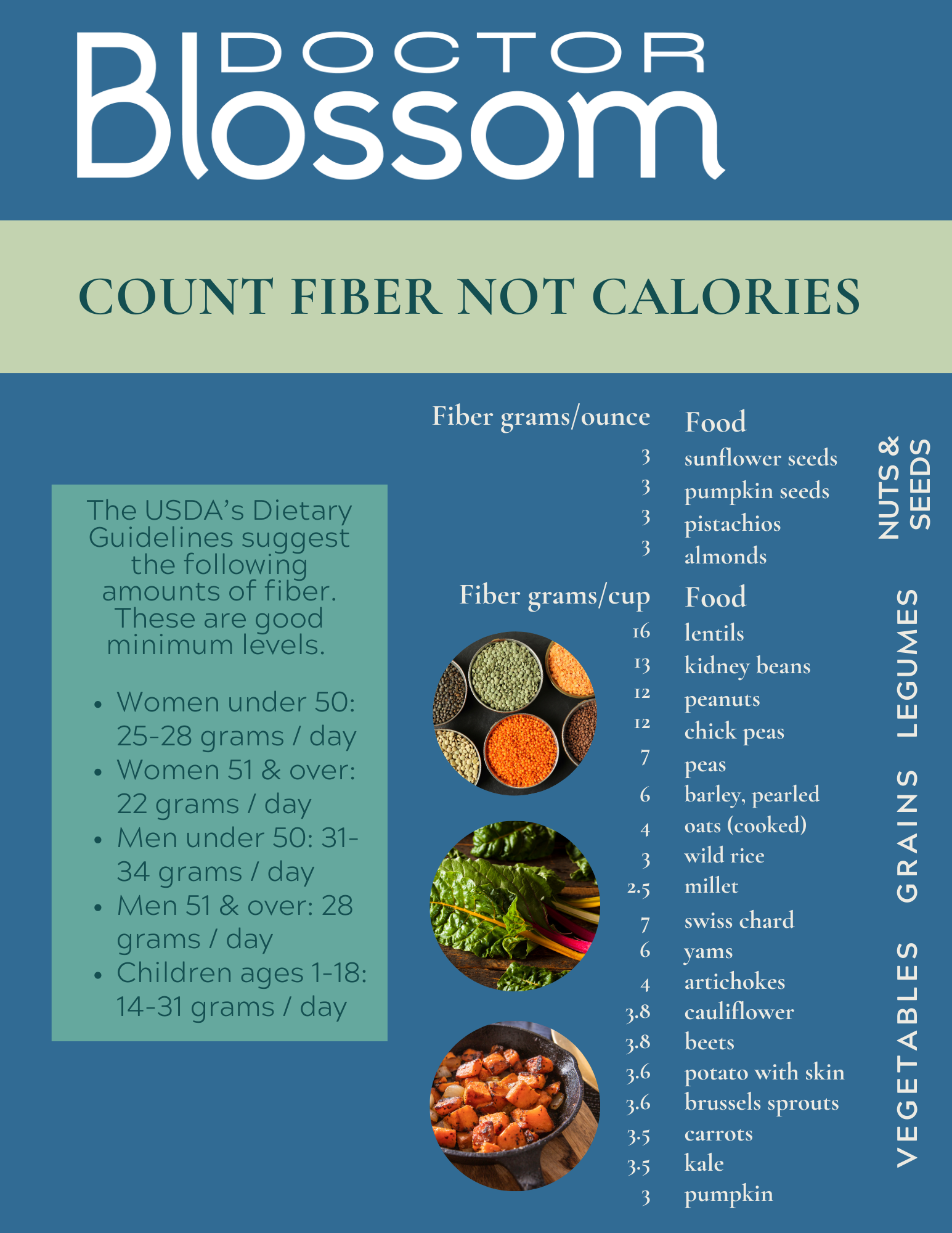
General recommendations suggest roughly 14 grams of fiber per 1,000 calories, translating to about:
22–28 grams daily for women
28–34 grams for men
Yet the vast majority of adults fall short of these targets.
Research suggests cognitive benefits may peak around moderate intake levels (about 34 grams per day) rather than extreme consumption.
Where to Get Brain-Supportive Fiber
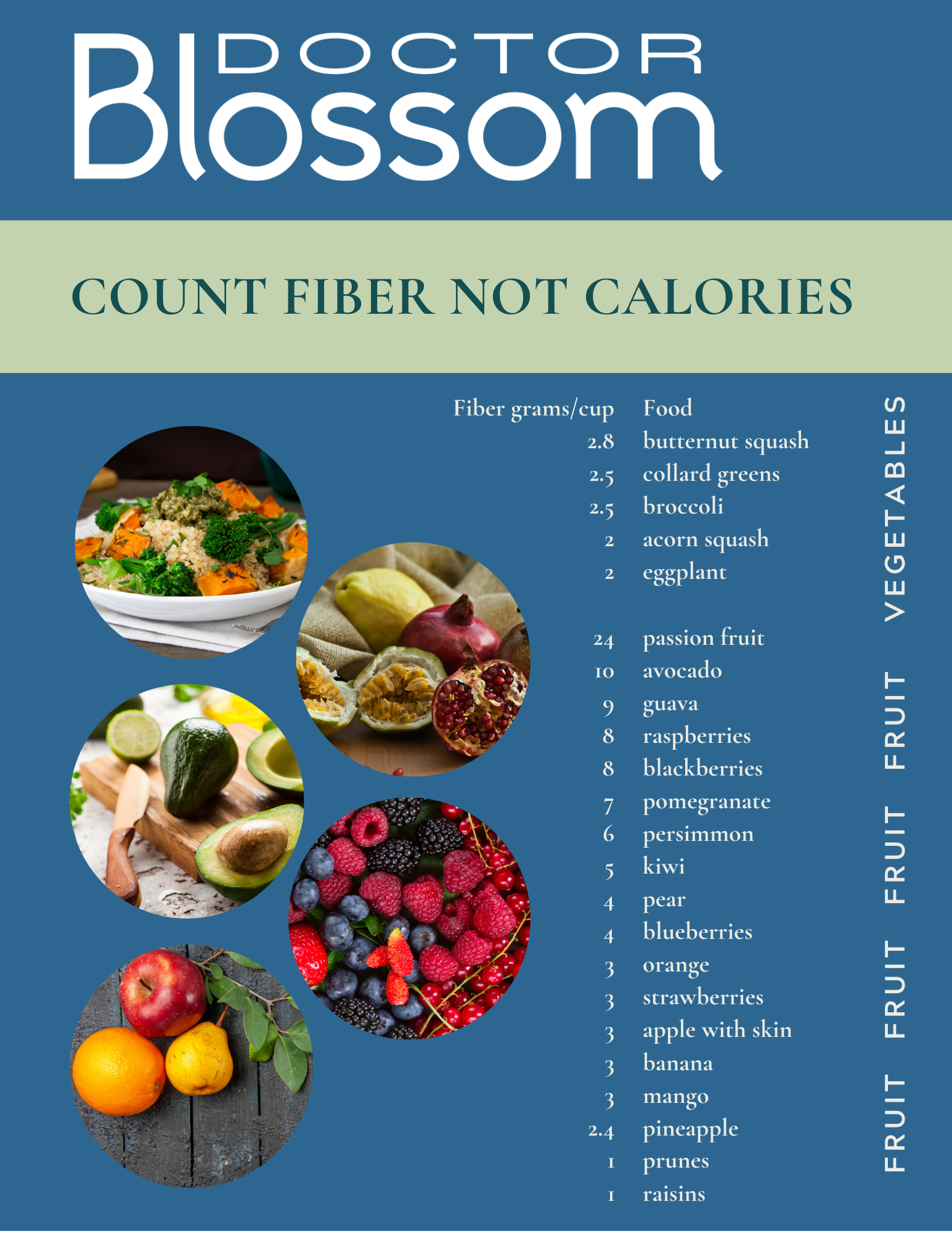
The most effective fiber sources are whole, minimally processed plant foods:
Vegetables
Fruits
Legumes
Whole grains
Nuts and seeds
These foods deliver not only fiber but also polyphenols, micronutrients, and anti-inflammatory compounds that work synergistically.
Food is rarely about a single nutrient.
It is about patterns.
A Clinical Reframe: Fiber as Preventive Medicine
Nutrition is often framed around weight.
But for cognitive longevity, the more important question may be:
Are you feeding the ecosystem that protects your brain?
Dietary interventions emphasizing diverse fiber intake are increasingly viewed as promising strategies for reducing dementia risk by supporting anti-inflammatory pathways and gut health.
Small daily choices compound into long-term neurological outcomes.
Start With One Simple Shift
You do not need a radical overhaul.
Begin by adding (vs. subtracting)
Try:
Beans added to soups or salads
Ground flax or chia in smoothies
Oats instead of refined cereals
A second serving of vegetables at dinner
Over time, these decisions reshape the microbiome, metabolism, and inflammatory landscape.
And ultimately, the trajectory of brain aging.
This article is part of our guide:
How to Protect Your Brain From Cognitive Decline